

Get the Latest Updates!

.svg)

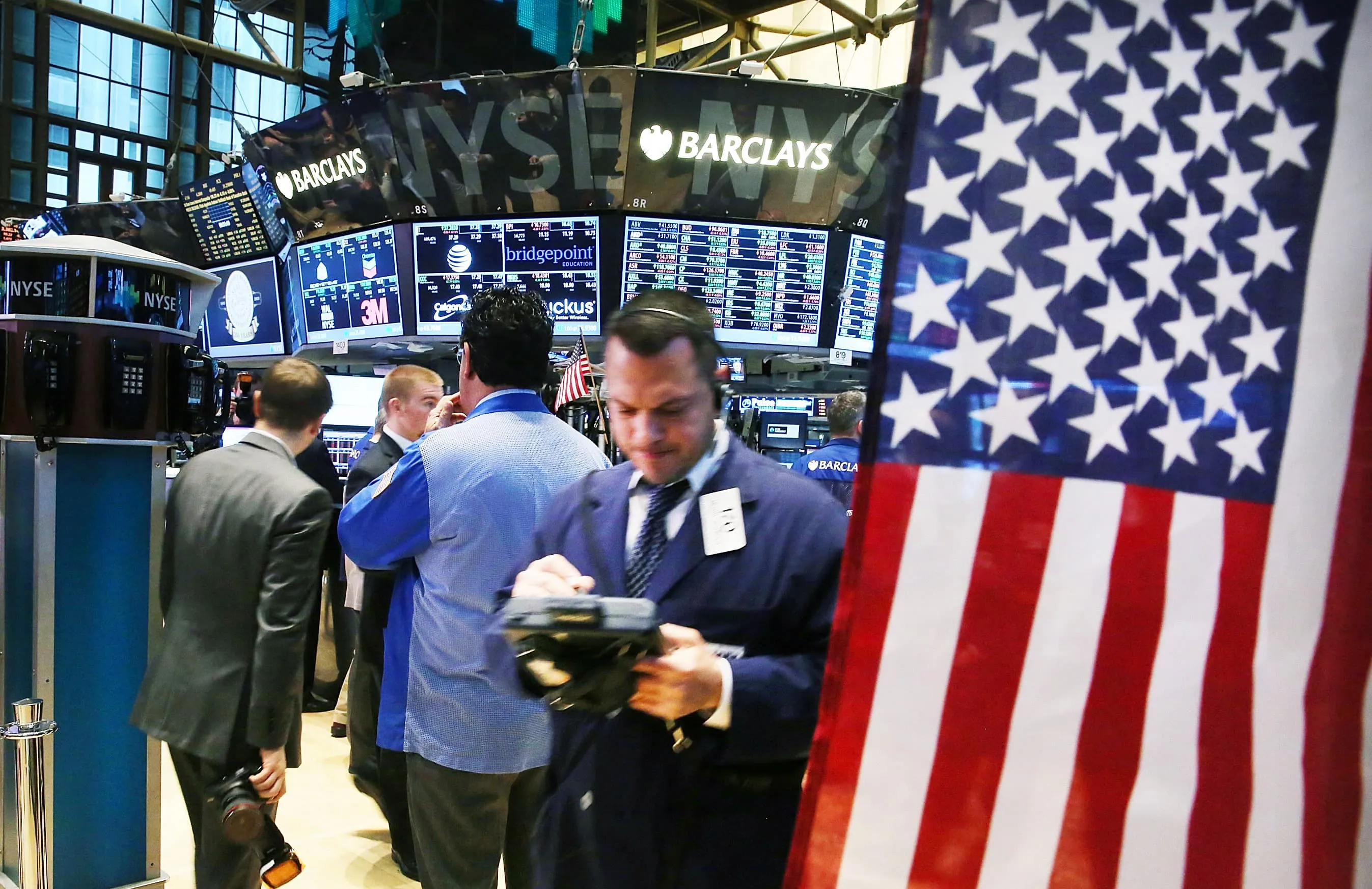

Wall Street investors held back from making bold bets as markets drifted ahead of a closely watched U.S. jobs report, leaving stocks, bonds, and the dollar searching for direction. With fresh labor data just hours away, traders largely opted for caution, reflecting uncertainty about how the numbers might influence the Federal Reserve’s next policy steps.
Equity markets showed little conviction in early trading. Futures tied to the S&P 500 hovered near flat levels as investors avoided aggressive positioning before the payrolls release. The lack of momentum highlighted how dependent markets have become on economic data, particularly reports tied to employment and inflation that could reshape expectations for interest rates.
Bond markets echoed that hesitancy. U.S. Treasury yields edged modestly lower as demand for government debt picked up slightly, signaling that some investors were positioning for a softer labor market outcome. Lower yields often reflect expectations that economic growth may be slowing, reinforcing the view that the Federal Reserve could have room to cut rates in the months ahead.
The U.S. dollar also drifted lower against major peers, adding to the sense of restrained trading across asset classes. A weaker dollar typically aligns with falling yields and expectations of easier monetary policy. Currency traders appeared to be pricing in the possibility that cooling employment conditions could accelerate the Fed’s shift toward rate reductions.
At the center of market attention was the upcoming U.S. payrolls report, widely viewed as one of the most influential economic releases of the month. Employment data plays a critical role in shaping Federal Reserve policy, as officials continue to balance the need to control inflation against the risk of slowing the broader economy too sharply.
Recent economic indicators have suggested that the labor market may be losing some momentum. While hiring has remained resilient overall, signs of moderation have fueled speculation that wage pressures could ease, reducing one of the key drivers of inflation. For investors, that dynamic strengthens the case for rate cuts later in the year.
Still, uncertainty remains high. A stronger-than-expected jobs report could complicate the outlook by reinforcing concerns that inflation may stay elevated, potentially delaying policy easing. On the other hand, weaker data would likely reinforce market expectations for multiple rate cuts, supporting both bonds and equities sensitive to lower borrowing costs.
This balancing act explains why traders chose to stay on the sidelines. With so much riding on a single data release, many investors preferred to wait for confirmation rather than risk being caught on the wrong side of a sharp market move. That wait-and-see approach kept volatility subdued but direction elusive.
From a broader perspective, the restrained trading reflects a market at an inflection point. After months of debating when the Federal Reserve will begin cutting rates, attention has shifted toward how quickly and how aggressively policymakers might move once easing begins. Labor market data is increasingly central to that discussion.
For equity investors, the implications are significant. Lower interest rates tend to support stock valuations, particularly in growth-oriented sectors. However, rate cuts driven by a sharply weakening economy could undermine corporate earnings, creating a more complex backdrop for risk assets.
Bond investors face a similar dilemma. While expectations for rate cuts have supported Treasury prices, the pace and scale of any easing will depend heavily on how economic conditions evolve. As a result, even modest shifts in employment data can trigger outsized reactions in yields.
As markets await the payrolls report, the prevailing mood remains one of cautious anticipation. Traders are not abandoning risk altogether, but they are unwilling to commit fully without clearer signals. Until those signals arrive, U.S. markets are likely to remain sensitive to headlines and prone to short-term swings.
In the end, the subdued action across stocks, bonds, and currencies underscores how pivotal the labor market has become. With expectations for Federal Reserve rate cuts hanging in the balance, investors are watching closely, knowing that a single report could help set the tone for markets in the weeks ahead.
Image
Gallery.


Subscribe to our newsletter!
As a leading independent research provider, TradeAlgo keeps you connected from anywhere.

Explore
Related posts.

