

Get the Latest Updates!

.svg)

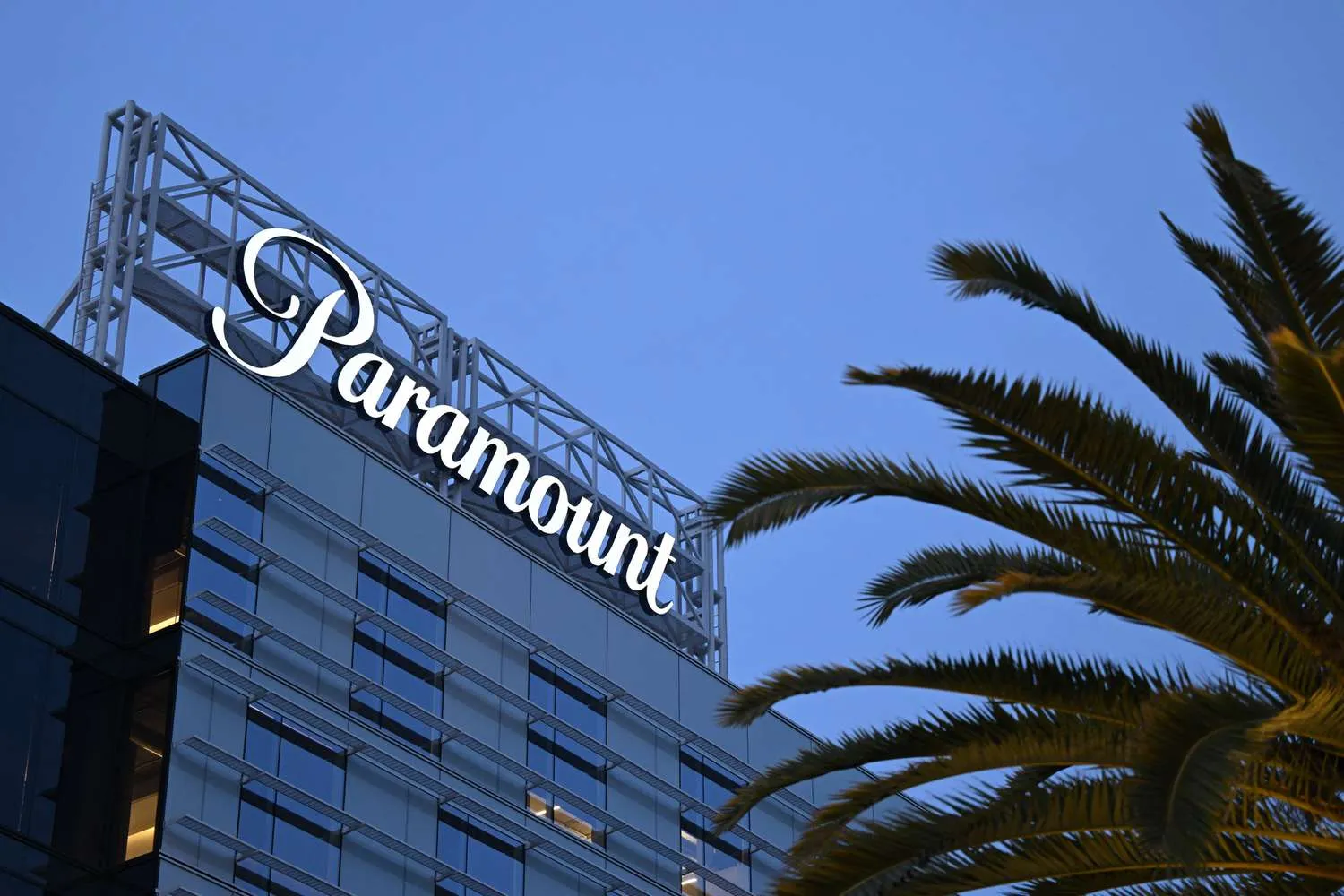

How Paramount Could Outmaneuver Netflix, Woo Warner Bros., and Push Back Against Big Tech
If Netflix is serious about acquiring Warner Bros. Discovery and if Warner’s board ultimately prefers a deal with the streaming giant then Netflix will likely need to increase its offer to at least match Paramount Skydance’s bid of $30 per share. Even then, a higher price alone may not be enough to secure the deal.
While Paramount’s bidding consortium has narrowed, that development does not automatically elevate Netflix to the front of the line. In fact, Netflix’s proposal is expected to face steeper regulatory scrutiny and longer approval timelines than Paramount’s offer.
In contested transactions, shareholders typically prioritize speed and certainty of payment. Ultimately, it is shareholders not the board who decide the outcome, even when directors advocate for an alternative path.
Notably, the departure of Jared Kushner’s private-equity firm, Affinity Partners, from the Paramount-led group has not meaningfully weakened Paramount’s position. The exits of both Tencent and Affinity may actually simplify the regulatory landscape by reducing concerns related to foreign ownership.
This shift leaves Paramount more reliant on international partners that are likely to clear review by the Committee on Foreign Investment in the United States (CFIUS). As a result, additional Middle Eastern investors could join the consortium.
Affinity, for example, has close relationships with the Qatar Investment Authority, and Abu Dhabi-based asset manager Lunate an Affinity investor could potentially step in to fill the gap.
Former President Donald Trump has stated that he has no personal relationships with executives at either Netflix or Paramount. However, he has also suggested that a Netflix acquisition “could be” problematic and indicated that his administration would take an active role in reviewing any Warner Bros. Discovery transaction. Trump has further emphasized that it is “imperative” for Warner’s next owner to also assume control of CNN.
That requirement aligns more closely with Paramount’s proposal, which includes CNN, unlike Netflix’s bid. As a result, Paramount’s offer may encounter fewer political and regulatory obstacles.
Warner’s board has argued that both bidders face similar antitrust risks, but that assessment may be overly optimistic. Even critics of Trump, including Senator Elizabeth Warren of Massachusetts widely known for her consumer-protection stance have acknowledged the competitive concerns surrounding a Netflix-Warner combination.
Paramount, meanwhile, still holds several strategic advantages. Despite Warner’s board arguing that Paramount’s proposal undervalues the company and raises financing risks particularly because a family foundation, rather than Oracle founder Larry Ellison personally, was named as a financial backstop Paramount addressed those concerns directly in a revised bid submitted earlier this week.
This is where the deal dynamics begin to shift away from Netflix and increasingly favor Paramount.
One major risk for Netflix is regulatory intervention. If antitrust authorities require Netflix to divest HBO or Warner Bros. Pictures, the streaming company would almost certainly walk away. Similarly, any mandate forcing Netflix to license Warner content long term to rival broadcasters could effectively kill the deal.
For Warner Bros. Discovery’s institutional shareholders, such developments would be decisive. If Paramount’s offer delivers a higher payout with a clearer path to completion, the board’s stated preferences become largely irrelevant. In most cases, shareholders accept the superior financial offer regardless of board recommendations.
It is also possible that Kushner exited the consortium to avoid public speculation that Paramount’s bid would succeed due to his familial ties to Trump or perceived favoritism toward David Ellison’s leadership, including oversight of CNN.
Even so, Kushner may still play an indirect role behind the scenes, helping Paramount attract new investors or encouraging existing partners to increase their commitments.
With additional capital and improved deal terms, Paramount could present Warner with a legally binding, unconditional, and fully financed cash offer. That would undercut the board’s argument that Paramount’s financing is “illusory” and remove a key objection to the deal.
Once Paramount establishes undeniable financial credibility, institutional investors are likely to begin publicly endorsing its bid. At that point, Netflix would lose its perceived “certainty premium” in the market. Compounding the challenge, Netflix risks becoming a political flashpoint, drawing opposition from regulators, studios, and Hollywood power brokers.
Paramount’s pitch to shareholders is simple and compelling: receive more cash upfront with potentially lower regulatory risk.
From an antitrust perspective, a Netflix-Warner combination could be framed as the creation of a dominant entertainment platform with enormous influence over sports and media distribution.
In contrast, Paramount acquiring Warner looks more like a traditional Hollywood studio merger than an expansion of Big Tech’s reach. Choosing Paramount allows policymakers to argue they blocked Big Tech consolidation while preserving competition within the entertainment industry an argument regulators may find far easier to support.
Image
Gallery.


Subscribe to our newsletter!
As a leading independent research provider, TradeAlgo keeps you connected from anywhere.

Explore
Related posts.

