

Get the Latest Updates!

.svg)

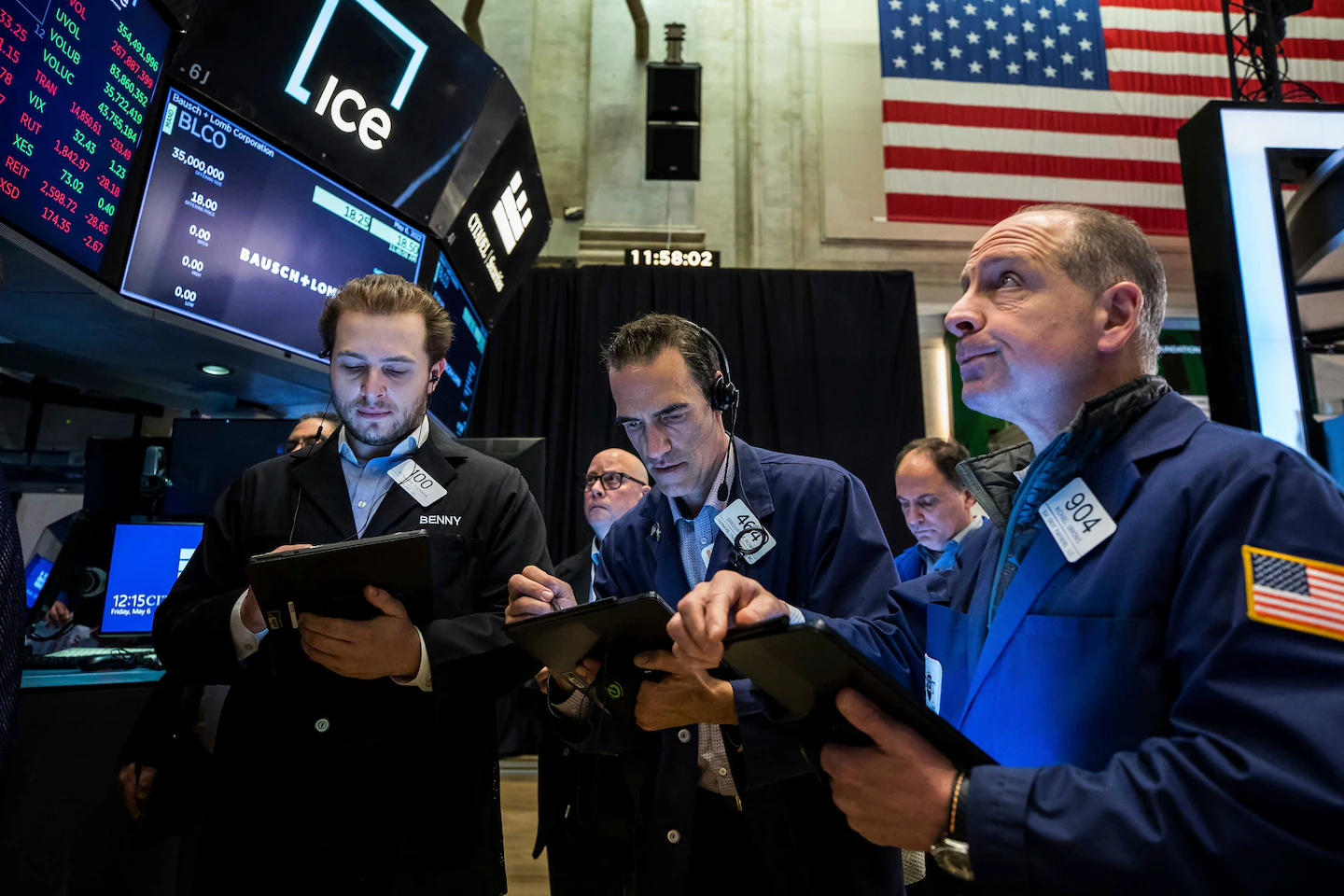

Bond markets are increasingly positioning for a more accommodative Federal Reserve, as traders boost wagers on lower interest rates while BlackRock Inc.’s chief investment officer, Rick Rieder, gains traction as a potential successor to Jerome Powell.
Over the past several sessions, trading activity in interest rate futures tied to the Secured Overnight Financing Rate (SOFR) and the federal funds rate the Fed’s key policy reference has picked up noticeably.
This surge in positioning has coincided with Rieder moving into the leading spot in betting markets for the next Fed chair, reinforcing expectations that US monetary policy could turn more supportive in the months ahead.
Investors are closely watching developments in Washington, as leadership changes at the central bank often influence the tone and direction of monetary policy. While Powell’s term has been marked by aggressive rate hikes to curb inflation, market participants are increasingly speculating that his successor could prioritize economic stability and growth over restrictive policy, particularly as inflation shows signs of easing.
These expectations are showing up clearly in futures markets, where traders are pricing in a higher probability of rate cuts sooner rather than later. Contracts linked to SOFR and fed funds are being used to express views on the pace and timing of potential easing, and recent flows suggest growing confidence that borrowing costs may decline over the next policy cycles. For investors, this shift could have meaningful implications across asset classes, from equities and bonds to currencies and commodities.
Rick Rieder’s rising profile as a possible Fed chair has added fuel to this narrative. As BlackRock’s global fixed-income chief investment officer, Rieder is widely respected for his macroeconomic insights and market experience. His reputation as a pragmatic policymaker with a focus on financial stability has led some investors to believe that his leadership could usher in a more flexible and data-driven approach at the Fed.
While the selection process for the next central bank chair remains uncertain, betting markets have increasingly reflected Rieder’s growing odds. Though such markets are not definitive predictors, they often capture shifting investor sentiment and expectations about political and economic outcomes. The combination of these signals with futures market activity suggests that traders are aligning portfolios around the possibility of a dovish policy turn.
At the same time, economic data continues to play a crucial role in shaping policy expectations. Recent inflation reports have shown gradual moderation, while labor market indicators suggest that growth, although slowing, remains resilient. This balance has reinforced the view that the Fed may soon have room to ease financial conditions without risking a resurgence in price pressures.
For bond investors, the prospect of lower rates typically translates into opportunities in longer-duration assets, as falling yields boost prices. This dynamic has encouraged some portfolio managers to extend duration exposure and reposition toward securities that could benefit most from a policy pivot. Meanwhile, equity investors may also welcome a more accommodative stance, as lower borrowing costs tend to support corporate earnings and valuations.
However, not all market participants are fully convinced that a dovish shift is imminent. Some caution that inflation could prove stickier than anticipated, forcing policymakers to maintain tighter conditions longer than markets expect.
Others point to the Fed’s consistent emphasis on data dependence, suggesting that any leadership transition may not dramatically alter policy direction in the near term.
Still, the recent surge in futures activity highlights how sensitive markets remain to signals around Fed leadership and monetary strategy. Traders are not only reacting to economic indicators but also to the perceived policy preferences of those who may shape future decisions. This reflects a broader trend in which central bank credibility and leadership outlooks play an increasingly important role in market pricing.
Looking ahead, investors will continue to monitor inflation trends, employment data, and official Fed communications for confirmation of a policy shift. Developments surrounding the Fed chair nomination process will also remain in focus, as they could influence expectations around the central bank’s long-term approach to growth, inflation, and financial stability.
For now, the message from futures markets is clear: confidence is building around the idea that US monetary policy could become more supportive. Whether driven by improving economic conditions, shifting leadership expectations, or both, traders are increasingly positioning for a future in which interest rates move lower and financial conditions become more favorable for risk assets.
Image
Gallery.


Subscribe to our newsletter!
As a leading independent research provider, TradeAlgo keeps you connected from anywhere.

Explore
Related posts.

