

Get the Latest Updates!

.svg)


Stocks Struggle for Direction Late in 2025 as Treasuries Pull Back
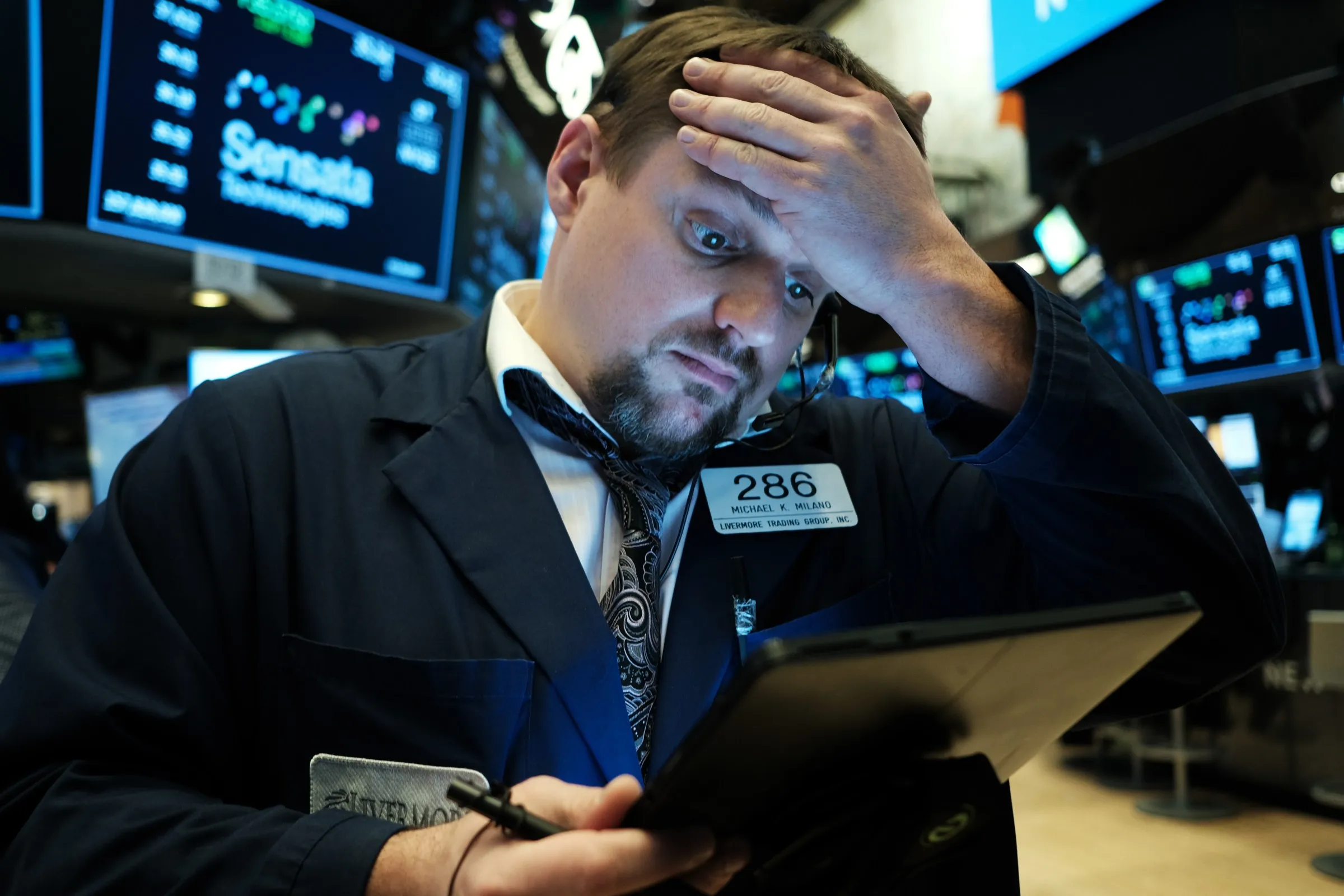
Stocks struggled to gain traction as the year drew to a close, with a thin calendar and few meaningful catalysts keeping investors largely on the sidelines. Trading volumes remained light, and major benchmarks drifted without a clear direction. In commodities, precious metals managed to stabilize after sharp pullbacks from recent record highs, with both silver and gold clawing back some lost ground.
U.S. equities were poised for a mild pullback, as the S&P 500 headed lower following two consecutive declines. Overseas, European markets outperformed their global peers, helped by a rebound in metal prices that lifted shares of mining companies. In contrast, a broad index tracking Asian stocks edged slightly lower, reflecting cautious sentiment across the region.
Currency markets delivered one of the more notable moves of the session. China’s onshore yuan strengthened beyond the closely watched 7-per-dollar threshold, marking its first break above that level since 2023.
The shift signaled renewed confidence in the currency, even as the U.S. dollar continued to weaken. The greenback remained on track for its worst monthly performance since August, pressured by expectations around future Federal Reserve policy.
Tuesday represents the final trading day of the year for several major equity markets, including those in Germany, Japan, and South Korea. With the calendar thinning out, investors are also turning their attention to the upcoming release of minutes from the Federal Reserve’s December meeting. At that gathering, policymakers delivered a third consecutive interest-rate cut while reaffirming projections that point to just one additional rate reduction in 2026.
Despite the subdued finish to the year, the broader picture for global equities remains constructive. Worldwide stock markets are on pace to post gains for a third straight year. The MSCI World Index has climbed roughly 21% in 2025, putting it on track for its strongest annual performance since 2019. The rally underscores the resilience of risk assets even amid lingering concerns about inflation, growth, and geopolitics.
Some market participants view the recent softness as a pause rather than a warning sign. “The pullback looks more like a period of healthy consolidation than a shift in the overall trend,” said Mohit Mirpuri, senior partner at SGMC Capital in Singapore. That view reflects a broader belief that equities may simply be catching their breath after a strong run.
Seasonal trends are also providing a dose of optimism as investors look ahead to the new year. Historically, January has been a favorable month for stocks. Over the past decade, the MSCI World Index has gained an average of 1.4% in January and has finished higher in six of those ten years, according to data compiled by Bloomberg. While past performance is no guarantee, the pattern adds to hopes for a constructive start to 2026.
Precious metals remained in the spotlight following heightened volatility in recent sessions. Silver staged a sharp rebound, rising 2.4% after plunging 9% in the prior session. Gold also recovered, climbing 1.1% after suffering losses of more than 4%. The rapid swings highlight how sensitive the metals market has become to shifts in sentiment around interest rates and currency movements.
Elsewhere in the metals complex, copper extended its rally, putting it on track for its longest winning streak since 2017. The advance has been fueled by concerns over potential supply-chain disruptions, which could tighten availability. Nickel prices jumped to their highest level since March after Indonesia, the world’s top producer, signaled plans to curb output, adding further support to the market.
In U.S. political news with market implications, President Donald Trump said he has a preferred choice to lead the Federal Reserve but emphasized that he is not rushing to make an announcement. He also floated the idea that he could remove current Chair Jerome Powell, comments that investors are watching closely for any impact on policy independence.
In other asset classes, oil prices held onto recent gains. Traders continued to balance geopolitical risks—ranging from tensions involving Venezuela to developments in Russia and Iran—against concerns that global supply could outpace demand. In the bond market, U.S. Treasuries were largely unchanged, with the yield on the 10-year note holding steady around 4.11%, reflecting a wait-and-see approach as the year comes to an end.
Image
Gallery.


Subscribe to our newsletter!
As a leading independent research provider, TradeAlgo keeps you connected from anywhere.

Explore
Related posts.

