

Get the Latest Updates!

.svg)

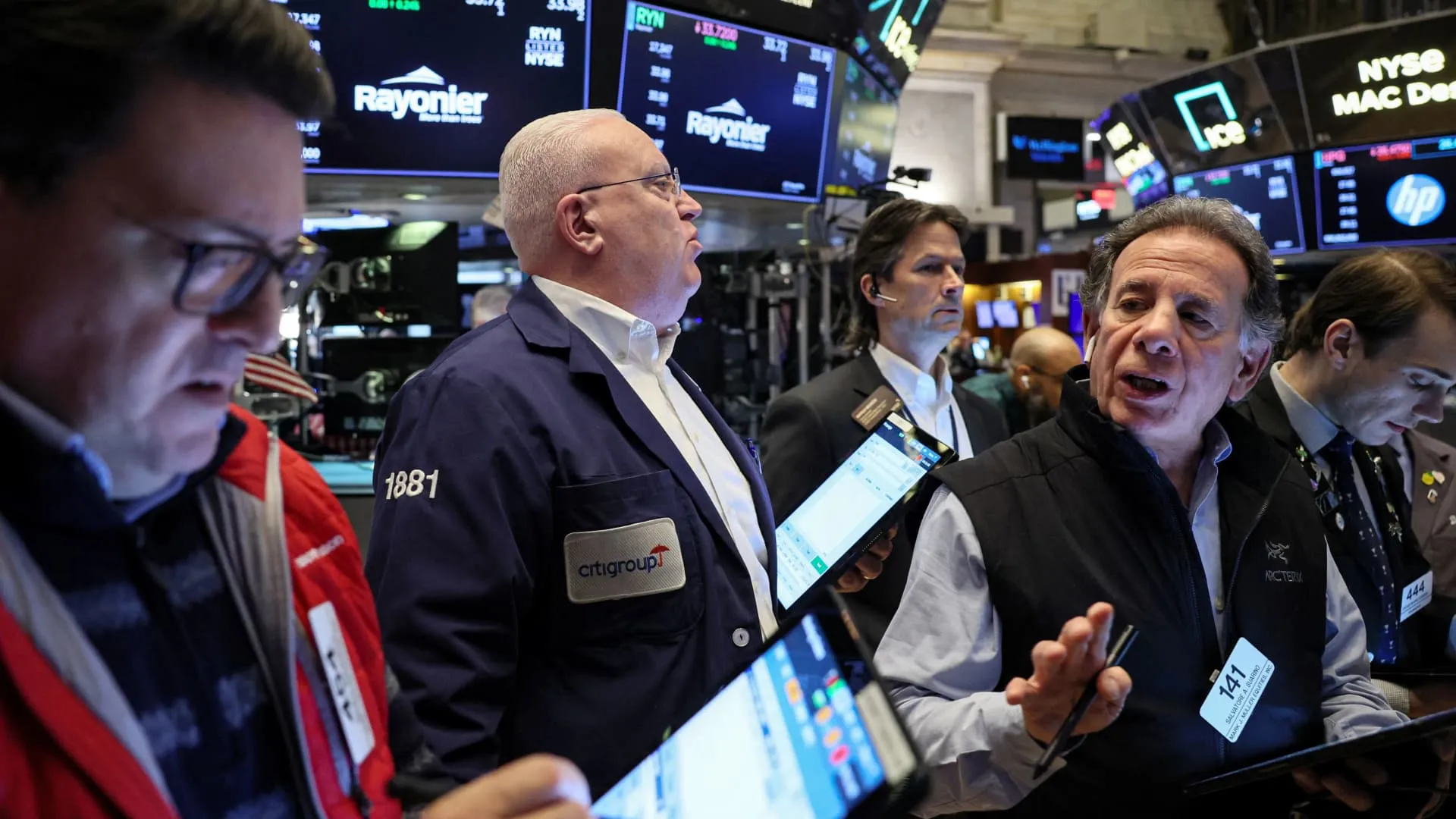

Stocks Climb as Record $7.1 Trillion Options Expiry Sparks Volatility
US stocks edged modestly higher on the final trading day of a packed week on Wall Street, as investors positioned themselves ahead of key catalysts that could inject fresh volatility into markets. Traders were bracing for a closely watched consumer sentiment report, while also preparing for the expiration of an unusually large volume of options contracts a combination that raised the risk of abrupt price movements before the closing bell. Bitcoin advanced sharply, while bonds moved lower, reflecting divergent reactions across asset classes.
The cautious gains in equities came after several volatile sessions driven by shifting expectations around economic growth, inflation, and monetary policy. With much of the week’s major data already in the rearview mirror, attention turned to whether consumer confidence data would reinforce signs of economic resilience or reveal growing strain from higher borrowing costs and persistent inflation pressures.
Adding to the sense of tension was a quarterly market event known as “triple witching,” a period that often brings elevated trading activity and unpredictable price swings. Triple witching refers to the simultaneous expiration of stock options, index options, and index futures, forcing traders to either roll over existing positions or establish new ones. The concentration of expiring contracts can amplify volatility, particularly when open interest is unusually high.
This quarter’s triple witching carried added significance due to the sheer scale of derivatives set to expire. With a record number of options contracts coming due, traders were closely watching for potential dislocations as positions were unwound or rebalanced. Such periods can lead to sharp intraday moves that may not reflect underlying fundamentals, making them challenging for investors to navigate.
Equity markets showed restrained optimism despite those risks. Major indexes posted small advances, suggesting that investors were reluctant to make aggressive bets ahead of the options expiration and sentiment data. Many market participants opted to stay defensive, preferring to wait for clearer signals before committing additional capital.
In contrast to the muted moves in stocks, cryptocurrencies saw renewed momentum. Bitcoin rallied, extending recent gains as investors continued to view digital assets as a potential alternative amid uncertainty in traditional markets. The advance highlighted the growing tendency for crypto markets to move independently of equities and bonds, even during periods of broader financial caution.
Bond markets, meanwhile, moved in the opposite direction. Treasury prices fell, pushing yields higher, as traders reassessed the outlook for interest rates and economic growth. The decline in bonds suggested lingering concern that inflation may remain sticky enough to keep monetary policy restrictive for longer than some investors anticipate.
The consumer sentiment report looming later in the session added another layer of complexity. As a gauge of household confidence and spending intentions, the data can influence expectations for economic momentum in the months ahead. A stronger-than-expected reading could reinforce the narrative of a resilient consumer, while a weaker result might revive concerns about slowing growth.
For policymakers and investors alike, consumer sentiment has taken on increased importance as higher interest rates work their way through the economy. While job markets have remained relatively firm, rising costs of living and borrowing have the potential to erode confidence over time. Any notable shift in sentiment could quickly ripple through markets.
Triple witching events have historically been associated with elevated volumes and short-term volatility, though their impact varies from quarter to quarter. In some cases, markets experience sharp swings followed by a return to more stable trading. In others, the effects are barely noticeable. This time, however, the record size of expiring contracts raised the stakes, increasing the likelihood of sudden moves.
Professional traders often prepare for these episodes by adjusting risk exposures or stepping back from the market altogether. Long-term investors, on the other hand, are typically advised to focus on fundamentals rather than short-term noise, recognizing that price swings tied to derivatives activity are often temporary.
As the trading week drew to a close, the overall market mood remained one of guarded caution. Stocks were holding modest gains, but conviction was limited. Bitcoin’s rally offered a contrast to the hesitation in traditional assets, while bonds reflected ongoing uncertainty around inflation and rate policy.
Looking ahead, investors will be watching to see whether volatility tied to triple witching fades quickly or spills into the following week. Attention will also remain focused on upcoming economic data and central bank commentary, which could reshape expectations for growth and interest rates as the year progresses.
For now, the final session of the week underscored a familiar theme: even in relatively calm markets, technical factors and key data releases can combine to create sudden bursts of volatility. As traders navigated the convergence of expiring derivatives and fresh economic signals, caution remained the dominant strategy at least until clearer direction emerges.
Image
Gallery.


Subscribe to our newsletter!
As a leading independent research provider, TradeAlgo keeps you connected from anywhere.

Explore
Related posts.

