

Get the Latest Updates!

.svg)

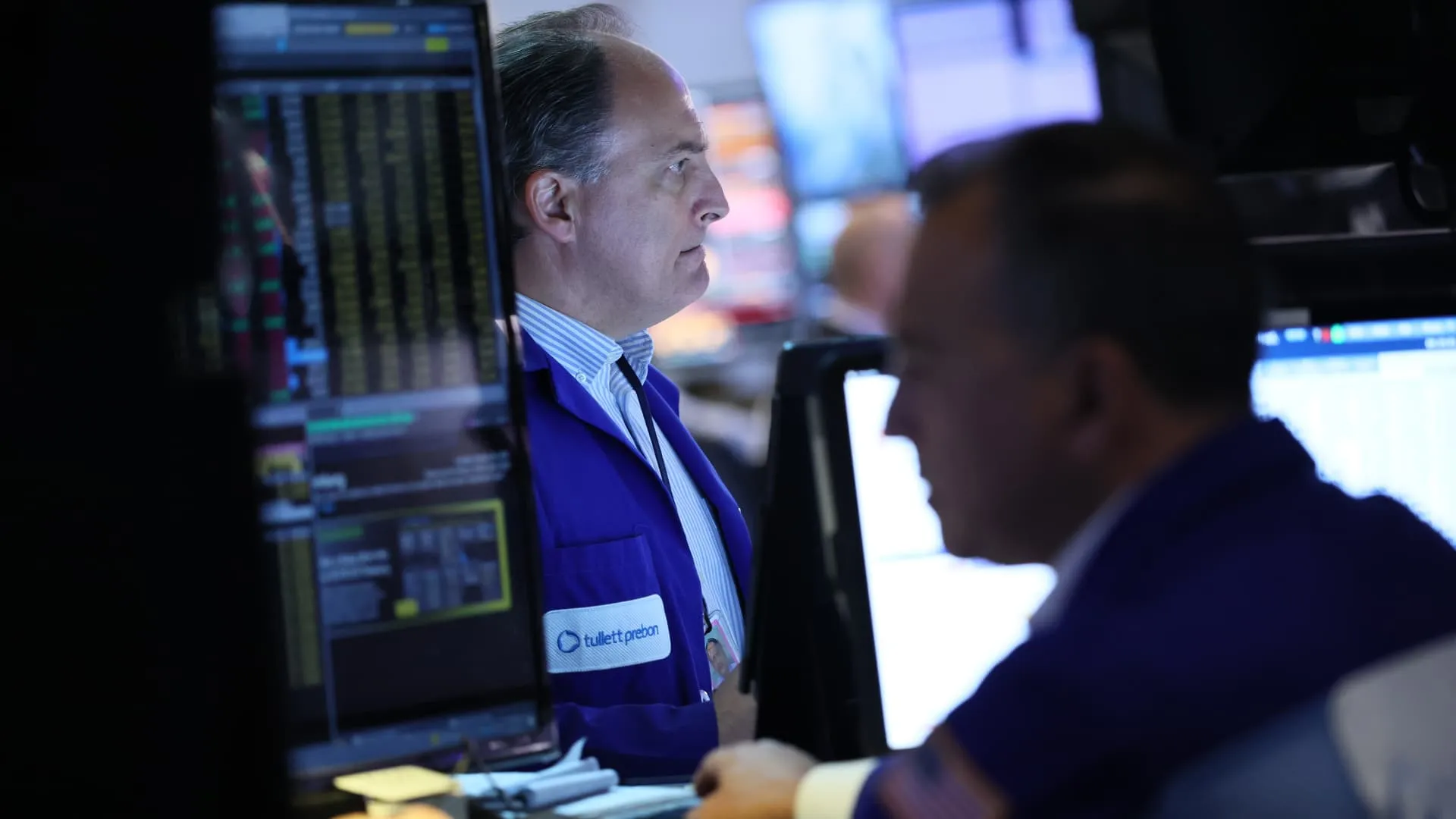

In today’s world, it feels like there’s almost nothing you can’t bet on. Prediction markets platforms where users wager on the outcomes of real-world events have exploded in popularity, allowing traders to bet on everything from whether a major asteroid will strike Earth by 2030 to whether Taylor Swift will reference her fiancé on her next album. Users are even speculating on TIME’s next “Person of the Year.” With demand surging, these platforms now process billions in weekly volume, catching the attention of major financial institutions and sports-betting companies alike.
This rapid growth has been fueled in part by a more relaxed regulatory stance during the Trump administration, which blurred the line between trading and gambling. At the same time, the cultural rise of meme stocks, sports betting apps, and speculative crypto trading has created fertile ground for prediction markets. But critics warn that thin oversight leaves investors vulnerable, exposing them to gambling-like losses and potential insider manipulation.
Below is a breakdown of how prediction markets work, why they’ve taken off, and the risks and regulatory debates shaping the industry.
Prediction markets such as Polymarket, Kalshi, and PredictIt let traders bet “yes” or “no” on whether a specific event will occur. These events span politics, entertainment, sports, and even the weather whether Democrats will control the House next year, which film may get a Best Picture nod, or how much snow Chicago might get this month.
Unlike traditional sportsbooks, prediction markets don’t act as the house. Instead, every “yes” or “no” contract is matched between traders on opposite sides of the bet. Contracts typically cost anywhere from a few cents to a dollar, with prices determined by supply and demand. Heavy buying of “yes” pushes that price toward $1, while buying pressure on “no” pushes its value higher instead.
If the event occurs, holders of “yes” contracts receive $1 per share, while those on the losing side forfeit their stakes. A contract trading at 40 cents implies roughly a 40% probability of the event taking place a market-driven forecast rather than one set by a bookmaker.
Structurally, these contracts resemble derivatives used in traditional finance, which is why they fall under the oversight of the Commodity Futures Trading Commission (CFTC). By fitting into a derivatives framework rather than gambling law, platforms can offer a far wider range of markets than casinos legally can.
Why Prediction Markets Are Booming
While prediction markets have existed for more than a century, the last decade dramatically accelerated their prominence. Early ventures like the Iowa Electronic Markets in the late 1980s allowed academics to study whether election betting improved forecasting. But it was the COVID-19 lockdown era that brought unprecedented attention.
Stimulus money, boredom, and zero-commission trading platforms produced a generation of retail traders eager to speculate. Meme stocks, volatile crypto assets, and gamified trading apps normalized high-risk wagers and prediction markets became the next frontier.
The 2024 U.S. presidential race supercharged their growth even further. Platforms like Polymarket and Kalshi attracted billions in trading volume and often showed Donald Trump favored to win even when polls suggested otherwise. By Election Day, prediction markets had proven to be uncannily accurate, convincing traders they could profit by rejecting conventional forecasts.
How Platforms Earn Revenue
Since the trading is peer-to-peer, prediction markets don’t profit from customer losses. Instead, exchanges like Kalshi and PredictIt charge small transaction fees. Some platforms, such as Polymarket, generate revenue by licensing their data to major media organizations including CNBC, CNN, and Yahoo Finance.
The value of this data is significant: financial institutions increasingly view prediction markets as a real-time sentiment tool. That growing demand attracted the interest of Intercontinental Exchange, the parent company of the New York Stock Exchange, which committed up to $2 billion to Polymarket in 2025.
A Patchwork of Regulation
Prediction markets operate in a murky regulatory environment that varies widely across countries. In the U.S., the CFTC treats them as derivatives platforms rather than gambling sites, though the agency initially restricted election-based markets on the grounds they resembled prohibited gaming contracts.
Polymarket settled CFTC charges in 2022 by agreeing to block U.S. users. Kalshi, however, challenged a similar restriction and won convincing a federal court that elections are neither illegal nor classified as gaming under the law. That decision opened the door for election markets to expand dramatically.
The ruling also limited the CFTC’s authority to only reviewing contracts tied to specifically prohibited categories like terrorism, war, or unlawful activities. This interpretation helped broaden the scope of permissible markets nationwide.
Meanwhile, the regulatory approach has softened under Trump’s new administration. Investigations into Polymarket were dropped, and acting CFTC Chair Caroline Pham has vowed to create a friendlier framework for innovation in prediction markets.
Still, several countries including France, Belgium, and Poland have blocked Polymarket’s global platform, treating it as unlicensed gambling.
Risks for Investors and the Public
Despite being framed as financial instruments, prediction markets carry gambling-like risks. Users can lose money quickly, chase losses, or fall into addictive trading behavior all without the consumer protections that licensed gambling apps must offer.
Some markets also risk incentivizing harmful or manipulative actions. For example, wagers on whether fans would throw objects onto a basketball court encouraged spectators to deliberately trigger the event they had bet on.
Insider trading is another concern. Traders with advance knowledge of earnings results, awards, or product announcements can exploit these platforms if identity verification is lax.
Investor interest continues to surge. Polymarket and Kalshi raised roughly $3.6 billion combined in 2025 from venture firms and Wall Street institutions. Robinhood partnered with Kalshi, then announced plans to launch its own competing platform. CME Group and Crypto.com have also entered the space.
Despite rapid growth, the sector remains small relative to established derivatives exchanges. While Polymarket and Kalshi together handle around $2 billion in weekly notional volume, CME’s crypto futures alone exceed $12 billion per day.
The Trump family has emerged as an influential industry player. Trump Media & Technology Group announced plans to build prediction markets on Truth Social, and Donald Trump Jr. now advises both Polymarket and Kalshi. His investment firm made a sizable commitment to Polymarket as well.
Image
Gallery.


Subscribe to our newsletter!
As a leading independent research provider, TradeAlgo keeps you connected from anywhere.

Explore
Related posts.

