

Get the Latest Updates!

.svg)


US Stocks Linger Near Record Levels as Markets Await Fresh Economic
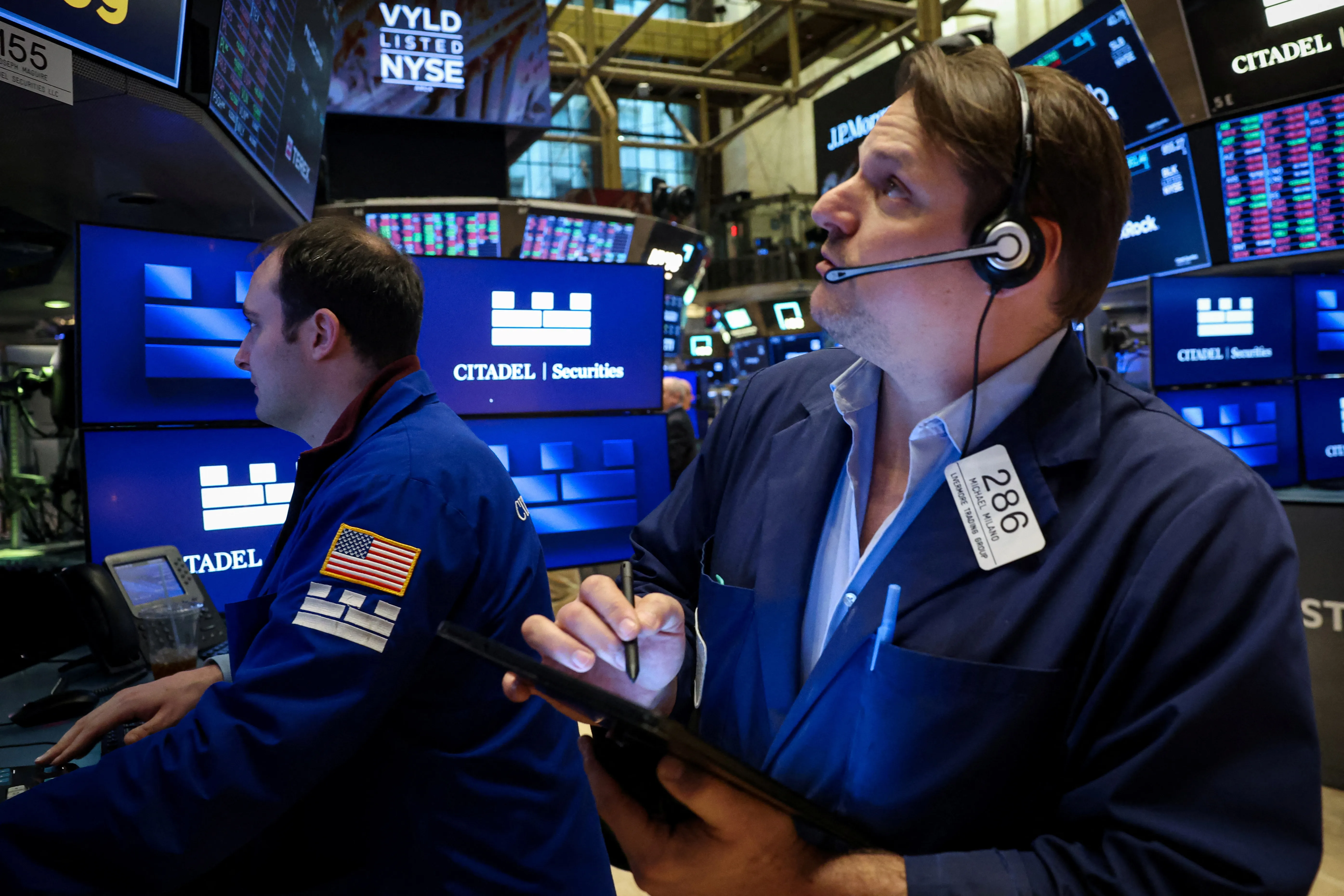
The powerful rally that has pushed U.S. stocks to record levels showed signs of fatigue early Wednesday as investors hit pause ahead of a busy slate of economic data. After weeks of steady gains, markets appeared content to tread water while traders reassessed valuations and awaited fresh signals on the health of the U.S. economy.
As of 9:32 a.m. in New York, the S&P 500 was hovering near flat territory, coming off a session in which the benchmark index closed at an all-time high. The Nasdaq 100, which has been heavily influenced by large-cap technology names, dipped about 0.2%, while the Dow Jones Industrial Average edged up 0.3%.
The divergence reflected an ongoing rotation within the market, with some investors trimming exposure to high-growth tech stocks and reallocating capital toward more cyclical and value-oriented sectors.
That shift has been building gradually as concerns grow over stretched valuations in parts of the technology space. After leading the market higher for much of the past year, mega-cap tech stocks have become increasingly vulnerable to profit-taking, especially as investors question how much upside remains without further earnings acceleration. As a result, sectors tied more closely to economic activity including industrials, financials, and select consumer stocks have begun to attract renewed interest.
The market’s cautious tone also reflects heightened sensitivity to incoming economic data. Investors are closely watching upcoming reports on inflation, labor market conditions, and consumer spending, all of which could shape expectations for Federal Reserve policy in the months ahead. Any signs that inflation is reaccelerating or that economic momentum is cooling could influence the timing and pace of future interest-rate moves.
While recent data has generally supported the view of a resilient U.S. economy, the margin for surprise has narrowed. With equity indexes sitting near record highs, markets are less forgiving of negative headlines. Even modest deviations from expectations can trigger short-term volatility, particularly in areas of the market that have enjoyed outsized gains.
Bond markets are also playing a role in shaping investor behavior. Treasury yields have remained elevated, reinforcing the idea that borrowing costs may stay higher for longer than previously anticipated.
Higher yields tend to weigh more heavily on growth-oriented stocks, which helps explain why technology shares have lagged during periods of rising rate expectations. At the same time, higher yields can benefit financial companies, adding to the appeal of signals pointing toward a broader market rotation.
Despite the pause in momentum, the underlying tone in equities remains constructive. Corporate earnings have largely exceeded expectations, and balance sheets across many sectors remain solid.
For long-term investors, these fundamentals provide support even as near-term uncertainty increases. However, with valuations elevated, stock selection is becoming more important than simply riding the broader market higher.
The ongoing shift away from a narrow group of market leaders toward a wider set of stocks suggests that investors are positioning for a more balanced phase of the rally. Rather than relying solely on a handful of technology giants, portfolios are increasingly being diversified across sectors that could benefit from steady economic growth, infrastructure spending, and improving capital investment.
This environment favors a selective approach. Companies with strong pricing power, consistent cash flow, and exposure to long-term growth themes — without excessive valuation risk — are likely to be better positioned if markets become more volatile. Meanwhile, stocks that have been priced for perfection may struggle to deliver further gains without fresh catalysts.
Looking ahead, much will depend on how economic data evolves and how policymakers respond. If inflation continues to cool and growth remains stable, equities could find support for another leg higher. On the other hand, signs of renewed inflation pressure or weakening demand could challenge the market’s optimistic outlook.
For now, Wall Street appears comfortable taking a breather. After a record-setting run, a period of consolidation may be a healthy development, allowing fundamentals to catch up with prices. For investors, staying disciplined, diversified, and focused on long-term value remains key as markets navigate the next phase of the cycle.
Image
Gallery.


Subscribe to our newsletter!
As a leading independent research provider, TradeAlgo keeps you connected from anywhere.

Explore
Related posts.

