

Get the Latest Updates!

.svg)

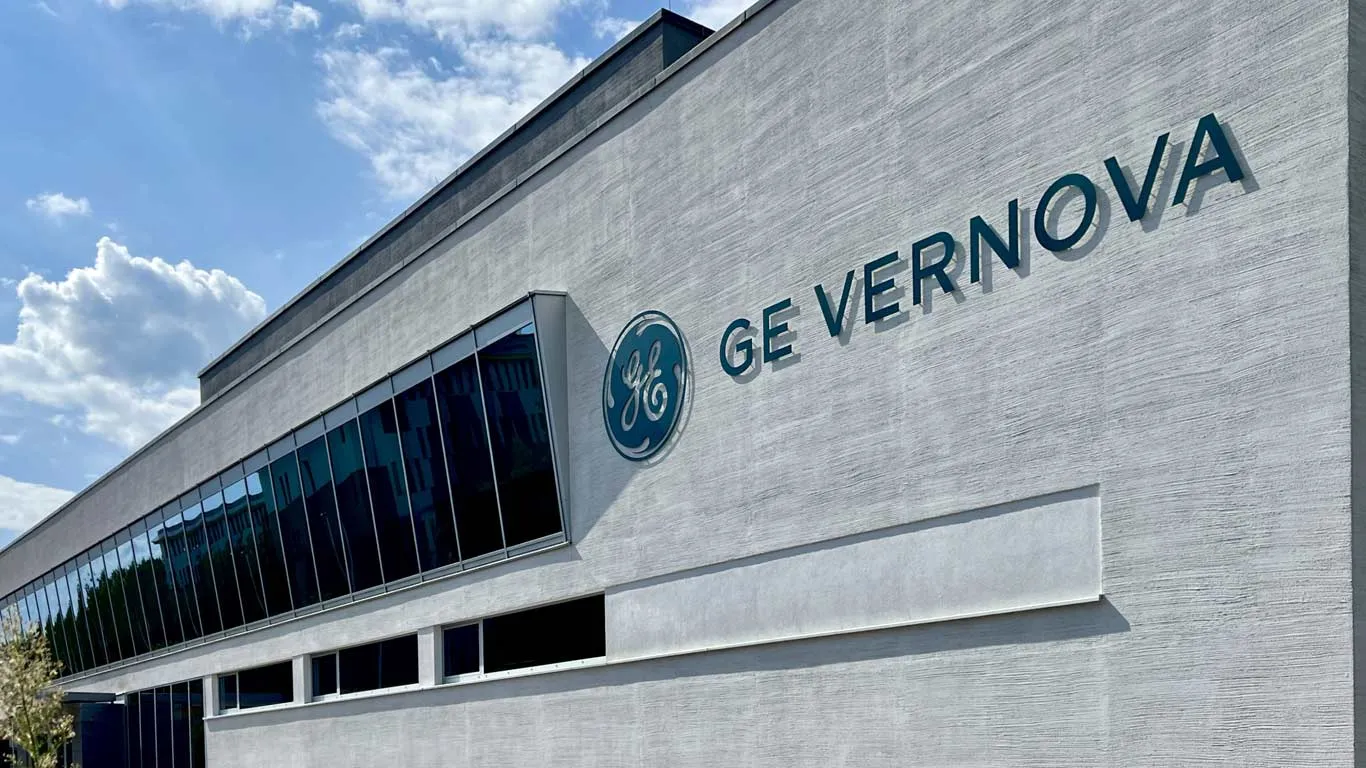

The rapid expansion of data-center construction is reshaping the customer base for GE Vernova Inc., underscoring how the surge in digital infrastructure is transforming demand across the power-generation industry. As data centers multiply to support cloud computing, artificial intelligence, and digital services, companies that supply energy equipment are seeing a notable shift in who their largest buyers are.
GE Vernova, a major provider of power-generation technology, is increasingly benefiting from this trend. According to Chief Executive Officer Scott Strazik, large-scale data-center operators are set to represent a much bigger share of the company’s customer mix this year.
Speaking Wednesday on Bloomberg TV, Strazik said these operators could account for as much as 25% of GE Vernova’s customers in 2026, a sharp increase from roughly 10% last year.
That growth marks a dramatic change in a relatively short period of time. As recently as 2024, data-center operators made up what Strazik described as a “negligible” portion of GE Vernova’s customer base. The speed of this shift highlights how quickly investment priorities are evolving as digital infrastructure becomes a central pillar of the global economy.
The data-center boom has been driven largely by surging demand for artificial intelligence, cloud services, and high-performance computing. These facilities require enormous and highly reliable amounts of electricity, creating opportunities for companies that can deliver power-generation equipment capable of supporting constant, energy-intensive operations. GE Vernova sits squarely at the intersection of those needs.
For GE Vernova, the growing presence of data-center customers reflects more than just incremental demand. It signals a structural change in the types of projects the company is serving.
Unlike traditional industrial or utility customers, large data-center operators often require rapid deployment, customized power solutions, and long-term reliability assurances. That dynamic can influence everything from product mix to project timelines and margins.
From an investor perspective, the increasing exposure to data centers may carry both opportunities and risks. On the positive side, the demand outlook appears robust. Hyperscale data-center operators continue to announce multibillion-dollar expansion plans, driven by AI workloads that show little sign of slowing. This creates a steady pipeline of potential projects for power-equipment suppliers.
At the same time, greater reliance on a fast-growing customer segment introduces new considerations. Spending by data-center operators can be cyclical and sensitive to shifts in technology investment, energy costs, or regulatory environments. Any slowdown in AI-related capital expenditures could ripple through suppliers like GE Vernova.
Still, the near-term momentum remains strong. Industry estimates suggest that global data-center capacity will continue to expand rapidly over the next several years, particularly in the US. Power availability has already emerged as a key constraint in many regions, making suppliers of generation and grid-support equipment increasingly critical partners.
Strazik’s comments also highlight how GE Vernova’s business mix is evolving alongside broader energy trends. As electricity demand rises from digital infrastructure, electrification, and industrial reshoring, utilities and private operators alike are investing heavily to expand capacity. Data centers represent one of the most visible and fastest-growing sources of that demand.
The shift could also have implications for GE Vernova’s long-term strategy. Serving large data-center customers may encourage greater focus on scalable, efficient, and lower-emissions power solutions, particularly as operators face pressure to meet sustainability targets. This aligns with broader industry efforts to balance rising electricity demand with environmental goals.
For investors, the takeaway is that data centers are no longer a niche end market for power-equipment suppliers. They are quickly becoming a core driver of growth. GE Vernova’s rising exposure illustrates how companies positioned in the energy value chain are adapting to structural changes in the economy.
As digital infrastructure continues to expand, the company’s ability to meet the specialized needs of data-center operators could play an increasingly important role in revenue growth and backlog visibility.
While execution risks remain, the rapid change in customer composition underscores just how transformative the data-center boom has become for energy and industrial companies alike.
Image
Gallery.


Subscribe to our newsletter!
As a leading independent research provider, TradeAlgo keeps you connected from anywhere.

Explore
Related posts.
